


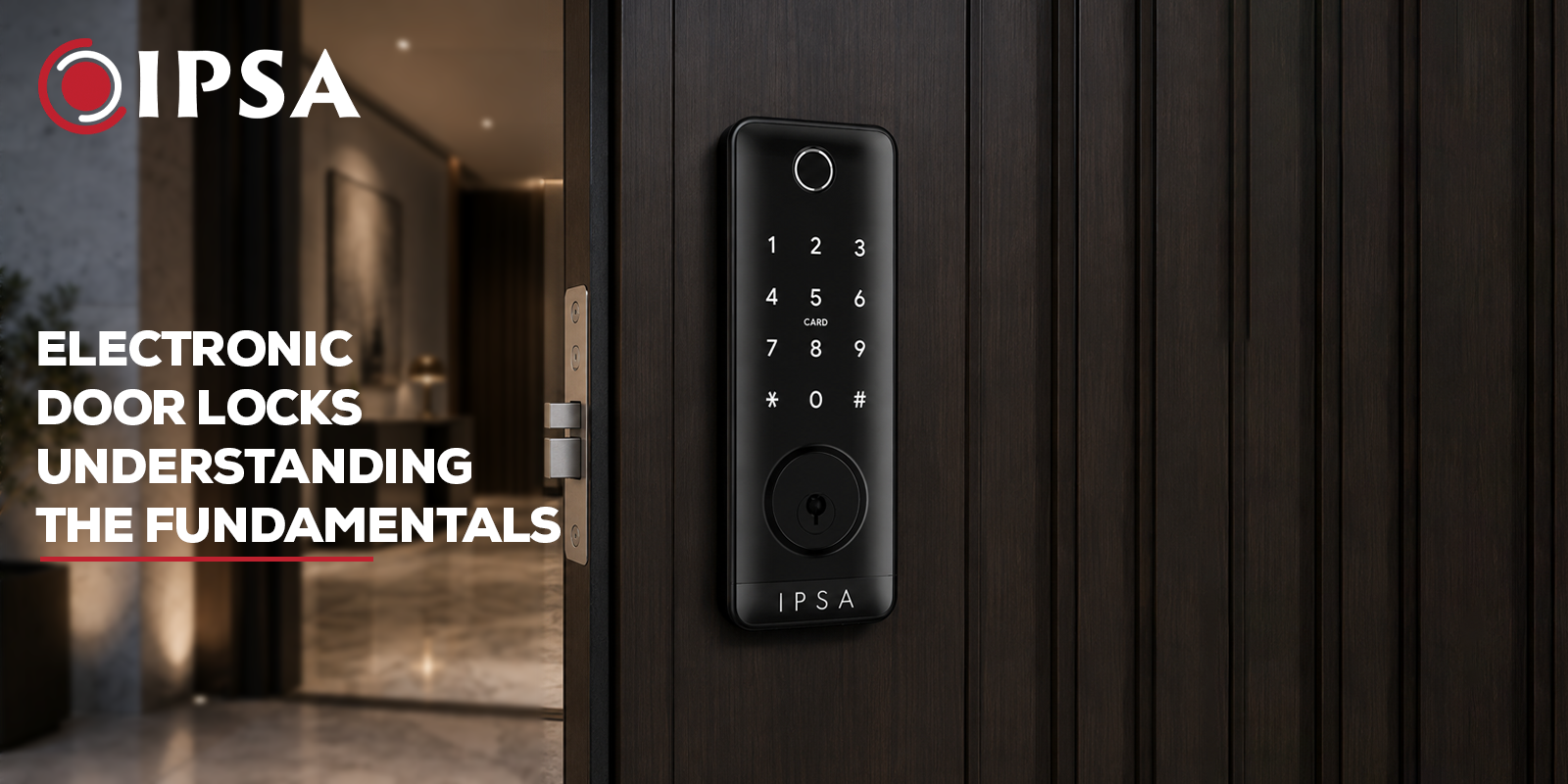
Standing outside your front door searching for keys at the bottom of a heavy bag while holding groceries is a familiar frustration. Traditional keys wear down lock mechanisms stick over time and losing a set means replacing entire lock sets to stay safe. Moving toward modern electronic hardware often feels like a necessity rather than a luxury. Finding a solid electronic locks for main door security needs careful thought about battery life Indian door thickness and climate conditions. This article breaks down how electronic door locks work their practical mechanisms and how to choose an option that fits daily living without adding tech headaches.
Mechanics Behind Keyless Access Mechanisms
Electronic locking systems rely on simple electrical impulses to engage or disengage physical locking bolts. Unlike mechanical brass keys that align tumbler pins manually electronic designs use small internal motors or solenoids triggered by authenticated data. When a user enters a passcode scans a fingerprint or taps an RFID card the control board reads the signal and sends current to release the latch.
| Stage | Description |
| Authentication | Fingerprint scan passcode RFID card or mobile app verifies the user’s identity. |
| Control Board | Processes the authentication data and triggers the appropriate power signal. |
| Motorized Actuator / Solenoid | Activates the mechanism that drives the heavy deadbolt into the door frame locking or unlocking the door. |
Understanding this basic flow makes troubleshooting easier when a unit acts up. Power comes from internal AA batteries rather than main home wiring ensuring doors stay locked during power outages.
Market data from IMARC Group notes the Indian smart lock sector reached $104.5 Million in 2025 driven by home automation demand.
Most issues stem from drained batteries or misaligned door frames rather than circuit failures.
Power Sources and Emergency Override Options
Battery power keeps security independent of home grid power. Standard alkaline batteries generally last between eight to twelve months with normal family usage. When voltage drops low system sensors emit recurring warning chimes.
If batteries drain completely while everyone is outside physical emergency options keep you covered. Most quality models feature a hidden manual key slot at the bottom or an external micro USB/Type C power port. Connecting a portable power bank supplies temporary power to read a fingerprint or passcode.
Biometric Passcode and RFID Authentication Protocols
Different entry methods offer varying balances of convenience and security depending on who uses the door daily. Fingerprint access works best for immediate entry using capacitive sensors similar to modern smartphones. High quality sensors map ridge patterns beneath the skin surface to prevent photo spoofing.
Keypads allow owner-managed temporary access. Users can program temporary PINs for domestic helpers, contractors or visiting family members. These PIN codes can expire after set hours or single uses keeping house access controlled without physical key copies circulating.
| Entry Method | Primary Benefit | Common Use Case |
| Biometric (Fingerprint) | Under 1 second access | Daily family entry |
| Dynamic Keypad | Revocable access codes | Guests and household staff |
| RFID Smart Cards | Simple tap to unlock | Children and elderly family members |
RFID cards and key fobs provide an easy alternative for elderly family members or young children who struggle with remembering numeric codes or placing fingerprints correctly.
Evaluating Mortise Locks Against Deadbolt Retrofits
Lock bodies come in two main structural forms: mortise bodies and deadbolt retrofits. Mortise locks sit inside a deep pocket carved directly into the door edge, providing structural strength through multiple thick stainless steel bolts.
| Feature | Mortise Lock Assembly | Deadbolt Retrofit |
| Lock Configuration | Multi-point mechanism with top bolt, locking bolt, and deadbolt | Single deadbolt mechanism |
| Door Preparation | Requires a deep pocket (mortise) cut into the door | Uses the existing door bore with minimal modification |
| Installation Complexity | More complex installation typically suited for new doors or major upgrades | Simpler retrofit installation for existing doors |
| Best Suited For | Commercial buildings, high-security entrances, and premium residential doors | Standard residential doors and quick security upgrades |
Deadbolt retrofits mount over existing latch holes. While easier to install, they lack the heavy-duty physical resistance of full mortise setups. For main wooden or metal doors, mortise mechanisms offer far better resistance against force.
Essential Features for Indian Residential Doors
Indian homes use unique door builds ranging from solid teak to engineered plywood with heavy decorative laminates. Standard wooden doors run between 35 mm and 50 mm in thickness, requiring specific spindle lengths and long mounting screws. Moisture from monsoon seasons can cause wood framing to swell slightly, placing extra pressure on lock deadbolts if alignment shifts.
We often observe homeowners buying imported locking hardware without checking internal mortise dimensions or door thickness compatibility, leading to alignment friction. At IPSA, we address these fit issues by designing hardware tailored to local door standards, wood density, and humidity swings. Having supplied secure hardware to over 500 residential projects across India, our client feedback highlights how crucial proper mortise sizing is for long-term motor life.
When evaluating options for the best smart door lock India setups require, prioritize internal heavy-duty brass or stainless steel latch mechanisms. Cheap zinc alloy internal gears wear out faster when subjected to daily door slamming or frame shifting.
Weatherproofing and External Panel Durability
Main entry doors exposed to open corridors or outdoor weather need protection against environmental wear. Dust accumulation on optical sensors causes read errors over time, making capacitive sensors a better choice for longevity. Look for hardware rated at IP54 or higher to keep internal electronics safe from dust and rain splashes.
A tough outer casing prevents physical tampering. Tempered glass keypads resist scratches from rings or keys, maintaining clear visibility and responsiveness over years of use.
Structural Safety Considerations During Electronic Upgrades
Upgrading to keyless entry should strengthen overall home security rather than compromise it. Physical force resistance remains the most critical factor in door safety. Look for heavy metal framing, hardened steel saw-resistant bolts, and anti-prying design features around the latch edge.
| Component | Location | Function |
| Fingerprint Sensor & Keypad | Outside | Authenticates users through fingerprint recognition or PIN entry. |
| Dynamic Manual Lock Knob | Inside | Allows occupants to manually lock or unlock the door from indoors. |
| Encrypted Signal Cable (Internal) | Connects inside and outside units | Securely transmits encrypted data and power signals between the exterior authentication unit and the interior locking mechanism. |
Electronic security features add layers of protection beyond physical hardware. Auto-locking features engage the deadbolt seconds after the door swings shut, preventing accidental entry if someone forgets to lock up. Built-in break-in alarms sound loud alerts if the front panel is pried off or if consecutive wrong passcodes are entered. Internal privacy switches also let you block outside electronic opening from the inside during nighttime hours.
When helping property owners choose a reliable digital door lock India security setup, we usually recommend units with mechanical key backups and dual authentication modes. Combining a fingerprint scan with a password adds strong security for empty houses during travel. A reliable setup balances smooth daily access with physical strength, ensuring software conveniences never compromise door protection.
Conclusion
Moving from mechanical keys to keyless hardware improves daily access while keeping main entry points secure. Selecting an ideal model requires focusing on physical build quality, accurate door alignment, and battery backup options rather than secondary features. At IPSA, we offer a dedicated range of smart door locks designed specifically for Indian doors and weather conditions. Choosing a dependable digital door lock India homes can rely on delivers long-term peace of mind, eliminating key hassles while maintaining door security every day.
