


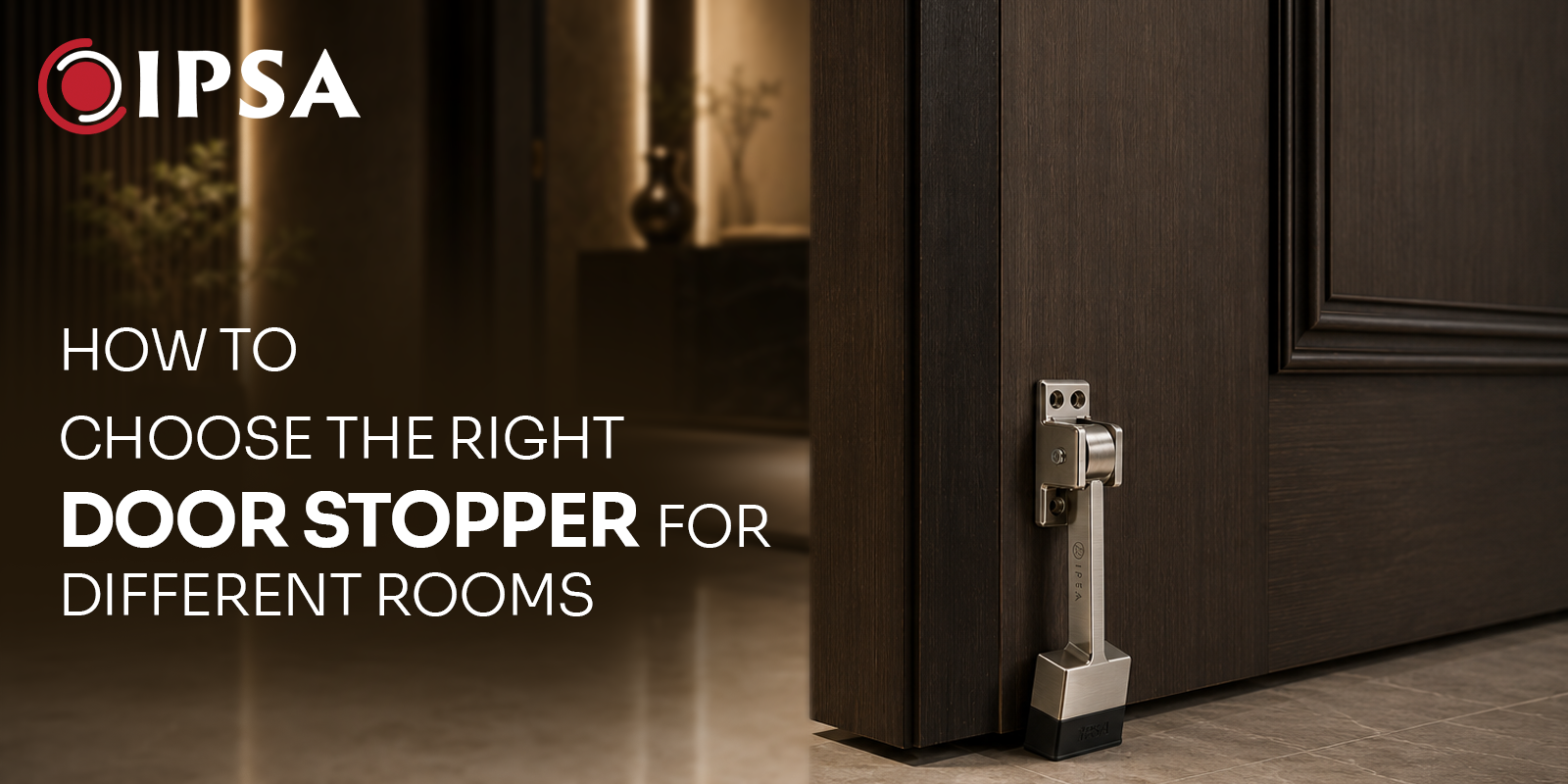
A door stopper is a less-neglected part of hardware, but you will realise it when a door keeps hitting the wall or suddenly closes for no reason. Different rooms also call for different types of stoppers. A bedroom may only need a simple stopper near the floor. A kitchen door may need one that keeps the door open while you move around. The door itself matters too. Its weight, the available mounting space, and how often you use it can affect your choice. If you are unsure which option fits your application, a door stopper supplier can help you select suitable hardware.
Start With the Room and Door
Before choosing a stopper, look at how the door works in that room. Does it hit a wall when opened? Does it need to stay open? Is there enough floor space for a floor-mounted stopper? Is the door lightweight or heavy? These questions make the selection easier.
Different Stoppers Solve Different Problems
Traditional stoppers are useful when the main purpose is to prevent a door from hitting a wall or another surface. Magnetic models can do more because they can hold the door open.
Wall-mounted options can save floor space, while floor-mounted models create a fixed stopping point. The right choice depends on the door’s movement and the room around it.
Living Room: Balance Protection and Design
Living room doors often open near walls, furniture, or decorative surfaces. An uncontrolled door can damage these surfaces or leave marks over time.
A Magnetic Stopper Adds Convenience
A magnetic stopper works well when the door needs to remain open regularly. The magnetic connection holds the door in position without needing a wedge.
IPSA India’s Magnetic Door Stopper can suit this type of application. It combines the stopping function with a holding feature, making it useful for spaces where people frequently move between rooms.
If the door does not need to stay open, a traditional stopper can provide the required protection without adding an unnecessary feature.
Bedroom: Keep the Hardware Simple
Bedroom doors usually need a practical solution that does not interfere with the room’s appearance or walking space.
Choose a Compact Option
A wall-mounted stopper can work well when the door opens towards a wall. It provides a clear stopping point without placing hardware directly in the main floor area.
For a more finished appearance, IPSA India’s Premium Door Stopper can be considered where door protection needs to work alongside the room’s other hardware.
The mounting position still matters. The stopper should catch the door before the handle or door panel reaches the wall.
Kitchen: Consider Frequent Door Movement
Kitchen doors can open and close repeatedly throughout the day. People may also need to keep the door open while carrying groceries, preparing food, or moving between rooms.
Holding the Door Open Can Help
A magnetic stopper can be useful when the door needs to remain open for longer periods. It makes movement easier without requiring a separate door wedge.
For medium doors, IPSA’s Door Stopper 802 provides another option to consider. The product is designed for medium-door applications, so checking the door’s size and weight remains important before selection. This shows why room-based selection works better than simply choosing one stopper for every door.
Bathroom: Think About Space and Material
Bathrooms have different conditions from bedrooms and living rooms. Moisture, regular cleaning, and limited floor space can affect the hardware choice.
Check Where the Stopper Will Go
A wall-mounted option can be practical when the floor does not provide a suitable installation point. The mounting surface should be strong enough to hold the hardware securely.
Material and finish also deserve attention. Stainless steel can be a suitable choice for areas where hardware faces regular moisture and cleaning.
IPSA India’s Rotating Door Stopper is available in stainless steel and can be considered where a different stopping mechanism and metal finish suit the application.
The stopper should also sit away from areas where people regularly walk.
Home Office: Choose for Daily Convenience
A home office door may need to remain open during working hours but closed during calls or meetings. The stopper should support this routine without taking up unnecessary space.
Match the Hardware to Your Routine
A magnetic stopper can help when the door needs to stay open for ventilation or easy movement. A simple stopper may be enough when the main concern is protecting the wall.
The IPSA Magnetic Door Stopper can be useful where holding the door open is part of everyday use. The important point is to choose the feature because the room needs it, not simply because it is available.
Heavy Doors Need More Attention
Door weight is easy to overlook when choosing small hardware. However, a heavy wooden or metal door puts more force on the stopper than a lightweight interior door.
Check the Door Before Buying
Consider:
- Door size and weight
- Opening direction
- Swing distance
- Wall or floor material
- Required stopping point
- Frequency of use
These details help determine which stopper will provide reliable performance.
This is also where an experienced door stopper manufacturer can be valuable. Product specifications, material choices, fixing methods, and load suitability can help buyers select hardware based on actual requirements.
Traditional or Magnetic: Which Should You Choose?
The choice becomes easier when you focus on the function you need. A traditional stopper is suitable when the main goal is to control the door’s movement. A magnetic model makes more sense when the door also needs to stay open.
Choose Function Before Appearance
If a bedroom door only needs protection from a wall, a compact stopper may be enough. If a kitchen or living room door remains open frequently, a magnetic model can offer greater convenience.
IPSA India’s range includes both traditional and magnetic door-stopper options, allowing the choice to follow the application’s needs rather than forcing every room into the same solution.
Check Installation Before Choosing
Even the right product can perform poorly when installed in the wrong position. Measure where the door reaches when fully opened. Check the handle, skirting, wall, furniture, and available floor space before fixing the stopper.
Five Things to Check
Before installation, confirm:
- Door swing direction
- Exact stopping point
- Mounting surface
- Door weight
- Should door would be open or not
Choose Hardware According to Your Needs
A door stopper should solve a specific problem without creating another one. That means considering the room, door movement, material, space, and frequency of use together.
IPSA India’s architectural hardware range includes different door-stopper designs for different applications. Selecting between magnetic, premium, medium-door, or rotating options becomes easier once the door’s actual requirements are clear.
Conclusion
Choosing the right door stopper starts with understanding how each room uses its door. A bedroom may need a compact stopper, while a kitchen or living room may benefit from a magnetic model that holds the door open. Bathrooms need attention to space and material, while heavier doors require suitable hardware and secure fixing. The stopper should also match the door’s swing and stopping point. When comparing different options, an experienced door stopper trader can help you evaluate types, materials, finishes, and specifications so each room gets hardware suited to its actual needs.
