


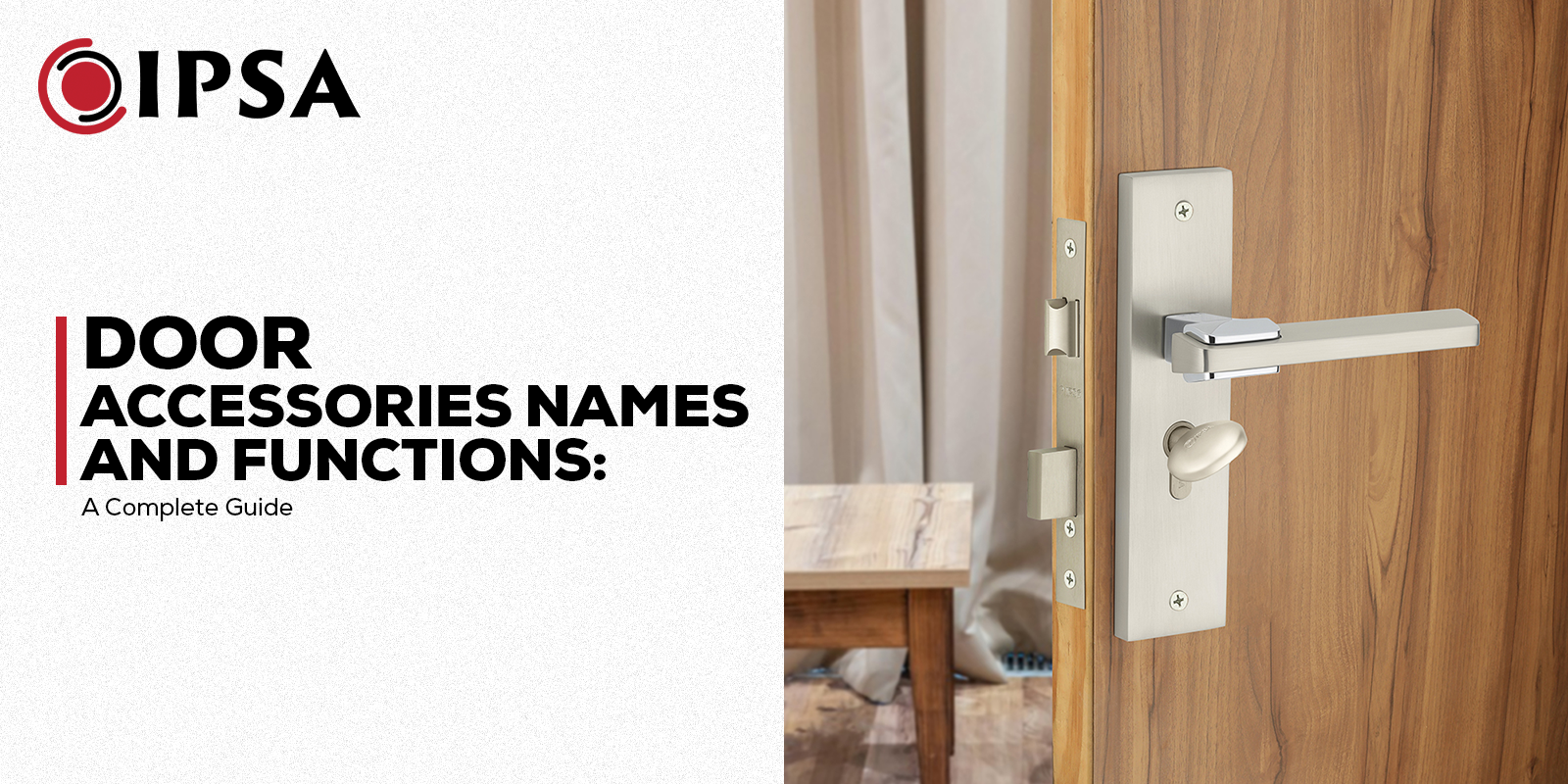
Doors are used countless times every day, yet most people rarely think about the hardware attached to them until something starts failing. A loose handle, a noisy hinge, or a lock that no longer works smoothly can quickly affect both comfort and functionality. Door accessories are not only decorative additions. They help control movement, safety, durability, and the overall experience of a space. That is why architects and interior professionals now pay closer attention to door accessories manufacturing quality instead of treating hardware like a final-stage purchase.
Door Accessories Quietly Control Everyday Comfort
People interact with door hardware constantly without thinking much about it. Pull handles, hinges, stoppers, locks, and bolts become part of daily movement patterns. In residential spaces, these fittings handle repeated usage every day. In commercial buildings, the pressure becomes much higher.
According to construction hardware industry reports, nearly 40% of routine door maintenance complaints happen because of low-quality fittings rather than actual door damage.
Some common issues usually begin with poor accessories:
- Loose handles after regular use
- Rust forming near hinges
- Door misalignment
- Weak stopper grip is damaging the walls
- Lock jamming during weather changes
- Rough door movement because of hinge wear
Small hardware details create larger frustrations surprisingly fast.
Some Door Accessories Matter More Than Appearance
Many homeowners select hardware mainly through catalogue designs or finish colours. The real difference usually appears after months of actual usage.
Hinges Carry The Entire Movement Of The Door
Hinges are probably one of the most overlooked accessories in any space. Every opening and closing movement depends on them.
Popular hinge types include:
- Butt hinges for residential doors
- Ball bearing hinges for heavy-duty usage
- Concealed hinges for modular interiors
- Pivot hinges for premium architectural spaces
- Spring hinges for self-closing doors
Heavy wooden doors especially require stronger hinge support because constant weight pressure slowly affects alignment.
At IPSA India, many clients now focus more on hinge durability because repeated replacement has become a common complaint in low-grade hardware products.
Door Handles Affect Both Comfort And Durability
Handles receive constant physical contact every day. Poor finishing quality becomes visible very quickly through scratches, discolouration, or loose grip movement.
Common handle options include:
- Lever handles
- Pull handles
- Mortise handles
- Knob handles
- Cabinet profile handles
Matte black, brushed steel, satin chrome, and antique brass finishes remain highly preferred because they maintain their appearance longer under frequent usage.
Door Accessories Functions Go Beyond Opening And Closing
People usually assume hardware only exists for basic functionality. Many accessories actually improve safety, structural balance, and long-term convenience.
Door Stoppers Quietly Protect Walls And Fittings
Without proper stoppers, handles repeatedly hit nearby walls, furniture, or glass partitions. Over time, the damage becomes noticeable.
Common stopper options include:
- Floor-mounted stoppers
- Magnetic stoppers
- Wall-mounted rubber stoppers
- Concealed stoppers for modern interiors
These accessories reduce impact pressure and improve movement control, especially in commercial spaces with higher foot traffic.
Tower Bolts And Locks Still Play A Major Role
Even with smart locking systems becoming more common, traditional locking hardware remains essential across residential and office projects.
Frequently used locking accessories include:
- Stainless steel tower bolts
- Mortise locks
- Cylindrical locks
- Deadbolt systems
- Privacy locks for internal rooms
Industry studies continue showing strong demand for stainless steel locking systems because of their corrosion resistance and lower maintenance needs. Hence, change became especially visible in kitchens, washrooms, hotels, and coastal properties where moisture exposure stays higher throughout the year.
Door Accessories Manufacturing Quality Changes Long-Term Performance
Many hardware products look almost identical during installation. The difference usually appears later through durability and daily usage.
Low-quality fittings often develop:
- Uneven coating finish
- Rust around edges
- Loose internal mechanisms
- Rough movement during the operation
- Weak locking alignment
- Faster wear near joints
This is why builders and architects now spend more time evaluating door hardware manufacturing standards instead of selecting products only based on pricing or design appearance. Material thickness, weight tolerance, finish consistency, and corrosion resistance matter much more over time.
The Right Hardware Selection Reduces Future Maintenance Work
Builders handling large projects already understand this pattern well. Cheap hardware lowers initial expenses but usually increases replacement and repair work later.
Reliable hardware suppliers help maintain:
- Consistent product quality
- Matching finishes across projects
- Smooth installation support
- Long-term product availability
- Better durability under commercial usage
This becomes especially important in hotels, offices, hospitals, and residential projects where hardware consistency directly affects the overall space experience.
Many interior teams working with IPSA India mention that repeat product availability becomes one of the biggest advantages during renovation or expansion work because matching older hardware designs later often becomes difficult with inconsistent suppliers.
A Trusted Door Accessories Trader Helps Projects Stay Consistent
Large residential and commercial projects require much more than attractive product designs. Timely supply coordination and reliable stock availability matter equally.
A dependable door accessories trader usually supports projects through:
- Bulk order coordination
- Product availability management
- Matching hardware recommendations
- Technical guidance during selection
- Faster replacement support when needed
Contractors often prefer working with suppliers who maintain consistency across multiple product categories instead of sourcing every accessory separately.
That process reduces delays significantly during active construction projects.
A Strong Door Accessories Brand Becomes Visible Through Performance
People remember hardware problems very quickly. A noisy hinge. A loose handle. A lock that sticks unexpectedly during daily use. Good hardware tends to disappear into daily life because it keeps functioning smoothly without demanding attention. Reliability usually separates an ordinary supplier from a trusted door accessories brand over time.
Modern spaces now focus heavily on smoother functionality, quiet movement, durable finishes. As well as hardware that still looks clean years later. Those details shape how premium a space feels more than many decorative elements people invest heavily in during interior planning.
Conclusion
Door hardware affects daily comfort far more than most people realise. Good hinges, handles, locks, and stoppers improve durability, reduce maintenance problems, and help spaces function smoothly for years. Poor-quality fittings usually begin creating issues much earlier than expected. That is why builders, architects, and interior professionals now focus more carefully on hardware quality during project planning.
With durable products, consistent supply, and long-term performance across residential and commercial spaces, IPSA India continues becoming a trusted choice for architectural hardware solutions that combine functionality, finish quality, and reliability.
