


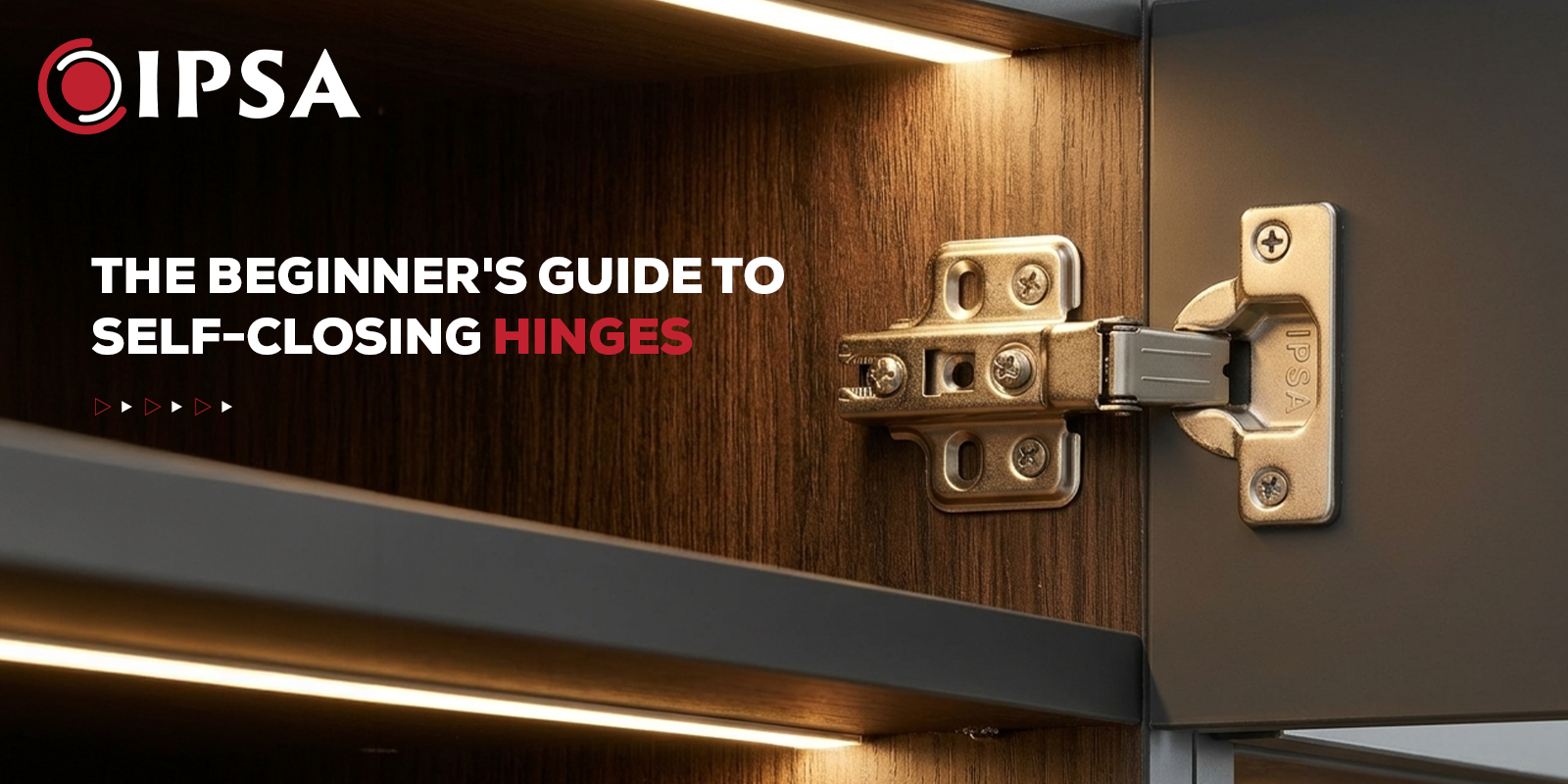
Cabinet doors are used several times a day. In a busy kitchen, someone is always reaching for a plate or putting away groceries. Doors often get left open during these small tasks. It may not seem like a big issue but it can make a space feel untidy and get in the way. This is one reason many homeowners now look at soft close hinges for cabinets. These fittings make daily use easier by helping doors close in a more controlled way. The difference is small but noticeable.
What Are Self-Closing Hinges?
A self-closing hinge is a cabinet fitting that helps a door return to its closed position after being opened. It has a spring mechanism that creates the force needed to pull the door towards the cabinet frame. The work is fairly simple. When you open the door the spring stores energy. Once you release it the spring starts pulling the door back. As the door reaches the closing point the hinge helps bring it into place. You may have seen this in kitchen cabinets that close without anyone pushing them. That is the basic idea.
The best part is that you do not need a separate closing catch in many designs. The hinge itself does the job.
How Do Self-Closing Hinges Work?
Most self-closing hinges use a spring built into the hinge body. This spring controls the closing movement and helps keep the door shut. However, the closing action can differ from one model to another. For example, some hinges pull the door shut with a firm movement, while others have an added damper that slows the door before it reaches the cabinet frame.
This is where buyers often get confused.
To put it simply, a spring provides the force needed to close the door, whereas a damper controls how quickly it closes. Although both work together in some hinge models, they serve different purposes. While some products combine these features in one fitting, others use only a spring mechanism. Therefore, understanding how each feature works can help you choose a hinge that better suits your furniture.
Self-Closing vs Soft-Close Hinges: What Is the Difference?
People often use these terms together but they do not mean exactly the same thing. A self-closing hinge pulls the door towards the cabinet once it reaches a certain point. It makes sure the door does not remain open. However the door may still close with a noticeable sound.
A soft-close hinge has an extra damping feature. This slows the door during the final part of its movement. Instead of hitting the cabinet frame with force the door moves towards it more gently.
Here is a simple way to understand the difference.
- Self-closing: Pulls the door shut using spring force.
- Soft-closing: Slows the door before it reaches the frame.
- Combined action: Uses both features to pull the door shut and control its closing speed.
For a busy kitchen the combined option can be more comfortable. Cabinet doors are opened throughout the day. A quieter closing action can make a real difference when several people use the same space.
Where Can You Install These Hinges?
Self-closing hinges can be used in several types of furniture. The right choice depends on the door design and how often it is used.
Kitchen cabinets
Kitchen cabinets are among the most common places for these fittings. Doors are opened to take out utensils and put away groceries. A self-closing mechanism helps bring them back into place after use.
Wardrobes
Wardrobe doors are often left partly open while getting ready. These hinges help keep the doors in their closed position and make the furniture look neat.
Bathroom cabinets
Bathroom storage units are used for daily items such as towels and toiletries. A suitable closing hinge can make these small cabinets easier to manage.
Office furniture
Office storage cabinets hold files and other supplies. Self-closing hinges can help prevent doors from staying open and getting in the way.
The only thing to keep in mind is that not every hinge will suit every cabinet. Hence door weight and thickness should always be checked before buying.
What Should You Check Before Buying?
A soft close hinge may look right in a product image but still fail to fit your cabinet. A few details deserve attention before placing an order.
1. Door size and weight
Start with the cabinet door. A large or heavy door needs a suitable hinge that can support it. Check the product specifications instead of choosing based on appearance alone.
2. Cabinet door type
Check whether your cabinet has a full overlay, half overlay or inset door. These designs need different hinge arrangements. The wrong type can affect how the door sits against the cabinet frame.
3. Opening angle
Some cabinets need a wider opening than others. Check the opening angle of the hinge and make sure it gives enough room to access the stored items.
4. Material and finish
Look at the hinge material and surface finish. The fitting should be suitable for regular use and should work well with the rest of your cabinet hardware.
5. Installation requirements
Some concealed hinges need a specific hole size and mounting plate. Check the cup size and drilling details before replacing an old hinge. A hinge that looks similar may not match the existing holes.
6. Closing mechanism
Decide how you want the door to close. If you only need the door to return to its closed position a spring model may be enough. If you want a slower closing action, choose a model with a damping feature.
Common Problems and How to Fix Them
Even a well-fitted hinge can develop problems after regular use. The good news is that some issues are easy to identify.
Door does not close fully
Check whether the hinge screws are loose or the door is out of alignment. The closing mechanism may also be unsuitable for the door.
Door closes too quickly
A basic spring hinge may close the door firmly. If you want a slower movement, you may need a model with a damping system.
Uneven gaps between cabinet doors
This can happen when the hinges are not aligned properly. Many concealed hinges have adjustment screws that help move the door into the correct position.
Unusual noise during movement
Loose screws or worn hinge parts may cause noise. Check the fittings and avoid forcing the door shut.
One thing worth remembering is that hinge adjustment depends on the model. Therefore, always follow the product instructions rather than turning screws at random.
Conclusion
Self-closing hinges are a useful addition to modern furniture. They help cabinet doors return to their closed position and make everyday use more convenient. The main thing is to understand the difference between spring-based closing and damped closing before buying. At IPSA Mart we believe that choosing the right auto close hinges starts with understanding your cabinet and its needs. A suitable fitting can make a small but lasting difference.
At IPSA Mart we understand that small hardware choices can affect how furniture works every day. A hinge should match the cabinet door and its intended use. Simply choosing the cheapest or most attractive option may not give the right result.
We focus on helping customers find suitable hardware for their requirements. Additionally looking at the door design and fitting needs before making a choice. The aim is to make product selection easier and help avoid common fitting mistakes.
