


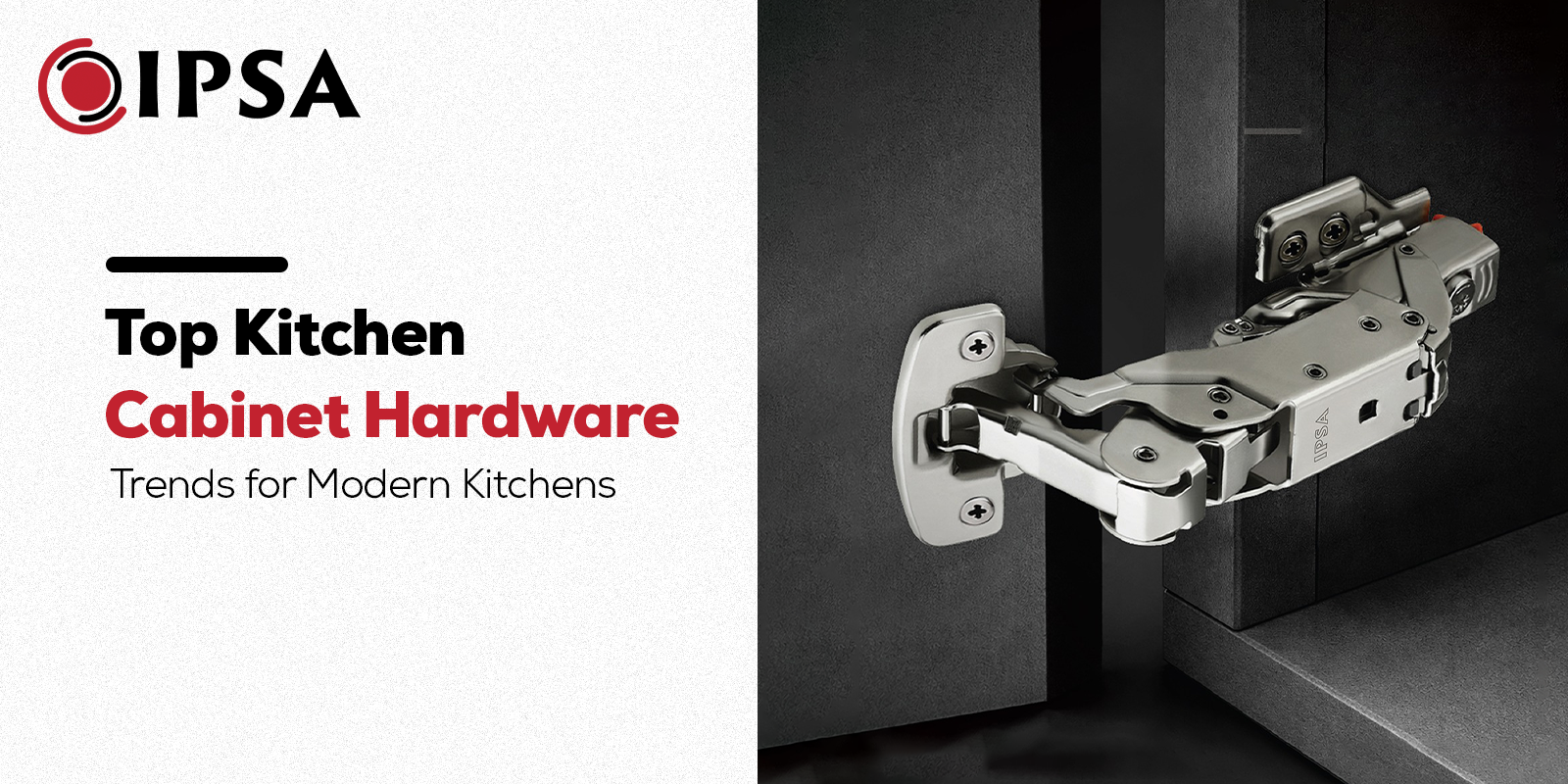
The realization usually hits when a flimsy, poorly sized knob slips from your grasp as you try to pull open a heavy drawer. Despite flawless countertops, the space feels unfinished. The predictable result of choosing hardware as a rushed afterthought. Cabinet pulls are the primary physical touchpoints of a kitchen. Elevating a space requires looking past basic silver bars to balance utility with visual weight. Navigating this evolving landscape requires a clear understanding of the Top Kitchen Hardware style options that successfully bridge modern minimalism with demanding daily habits. Discover the latest kitchen hardware trends with textured finishes, satin brass, and fluted designs that blend style, durability, and everyday functionality.
The Shift Away From Cold Chrome And Flat Surfaces
For a long time, the default choice for any contemporary space was high-gloss chrome or basic stainless steel. It was safe, it was clean, and it was entirely predictable. Lately, there is a visible exhaustion with that sterile look. People are tired of wiping away fingerprints every time someone makes tea. The current movement is turning heavily toward tactile organic materials that feel solid under your palm.
We see this shift daily when helping people fix spaces that look beautiful but feel cold. When our design team at IPSA India looks at modern layouts, the first recommendation is usually to inject some material honesty. It is why unlacquered brass and satin nickel are replacing the harsh mirror finishes. Unlacquered brass is particularly interesting because it patinas over time, changing color as it reacts with the air and oils from your hands. It develops a rich, lived-in character that makes a sharp, linear kitchen feel less like a laboratory and more like a home.
Textured Metal Surfaces Introduce Subtle Visual Rhythm
Knurled Pulls Deliver Better Practical Grip
The rise of soft industrial details has brought industrial knurling out of the workshop and into high-end homes. A knurled handle features a diamond-patterned cross-hatch texture cut directly into the solid brass or steel.
This detail catches the morning light beautifully, creating a tiny bit of shadow play across the flat faces of your drawers. More importantly, it provides a massive upgrade in friction. If your hands are wet or oily while cooking, a smooth bar handle can be incredibly annoying to use. The textured surface solves that completely.
Fluted Profiles Break The Monotony Of Flat Cabinets
Fluted hardware behaves almost like micro-architecture on a cupboard door. These handles feature vertical, column-like ridges running down the length of the metal. If you have chosen flat-panel slab doors to keep your lines clean, all that flat surface can occasionally look a bit blank. Adding a fluted T-bar pull introduces a subtle vertical texture that breaks up the large expanses of wood or laminate without adding unnecessary clutter.
Soft Industrial Edges Offer A Safer Profile
The early versions of industrial design were full of sharp corners, heavy square blocks, and rough welds. The updated approach keeps the structural strength but rounds off the edges. Designers call this “soft industrial.” Handles are being manufactured with pillowed ends and radius corners. It is a small change, but if you have ever caught your sleeve on a sharp, protruding square bar while rushing past a counter, you know exactly why these rounded profiles matter so much.
According to recent design industry reports, homes utilizing textured hardware see a noticeable decrease in visible surface smudges, reducing routine maintenance while increasing the perceived value of the cabinetry by looking custom-made.
Mastering The Art Of Cohesive Finish Mixing
Choosing One Dominant Metallic Finish
Traditional design rules dictated that every metallic element within a space match identically. Specifically, if the faucet was black, the handles and light fixtures were restricted to the same finish. Although this approach was straightforward, it frequently resulted in a flat, overly commercial environment. In contrast, modern philosophy embraces a curated mix, yet it requires strict restraint.
Consequently, the most successful spaces allocate a primary finish to roughly 70% of the hardware, applying it uniformly across main drawer banks and full-height pantries to establish visual consistency.
Deploying Secondary Finishes For Visual Focal Points
Once the base finish is established, a secondary metal is introduced in a highly controlled manner. For example, a classic configuration involves pairing warm satin brass pulls on primary cabinetry with a matte black architectural faucet on a central island.
The dark faucet acts as a visual anchor, thereby preventing the warmer brass tones from appearing too flashy. Furthermore, this strategy keeps the overall design flexible. If you decide to change your hanging lights or bar stools five years down the road, the design remains cohesive because the hardware was never locked into a single, rigid look.
Balancing Micro Proportions Against Oversized Statement Bars
The scale of your hardware needs to match the work it actually does. Long appliance pulls are becoming standard for tall pantry doors and integrated refrigerators because they provide the leverage needed to break the magnetic seals on heavy doors. On the flip side, we are seeing a massive resurgence of delicate micro-tabs and dainty knobs on upper, shallow cupboards.
Mixing these sizes within the same room makes the space look like it was put together over time by a collector, rather than ordered as a single bulk package from a warehouse floor. Tracking these changes helps clarify the macro Top Kitchen Hardware Trends that dictate how high-end homes are organized.
Engineering The Interior Experience From The Inside Out
While magazine photos focus on outer surfaces, daily living requires interacting with the engineering hidden behind the woodwork. Ultimately, a handle is only as good as its screws, and a drawer front is only as stable as the runner sliding underneath it.
Consequently, we have spent years analyzing why certain setups fail after a few seasons. Within our production facilities at IPSA India, the focus is directed toward how these small components endure daily stress. For instance, because pulling open a heavy pot drawer thousands of times places immense tension on mounting points, true quality requires solid forged brass and high-grade stainless steel that will not strip or bend under force. In short, durability is about quiet reliability.
Furthermore, premium hardware now incorporates subtle ergonomic finger-wells along the back of the metal bars. While guests will never see this hidden curve, your hand notices it immediately. As a result, the pull feels natural and secure, thereby removing the sharp, uncomfortable resistance common in cheap, flat-backed metals.
Selecting The Right Elements For Local Environments
|
Finish Type |
Maintenance Level | Best Cabinet Pairing |
|
Antique Bronze |
Very Low | Warm Walnut, Terracotta, Off-White |
|
Satin Brass |
Low |
Deep Greens, Matte Charcoal, Navy |
| Brushed Copper | Medium |
Sage Green, Warm Creams, Raw Oak |
| Matte Graphite | Low |
Dark Oak, Industrial Concrete |
Final Thoughts
Choosing timeless architectural profiles with premium material textures ensures long-term viability. Meticulous metal components serve as the definitive detailing that unifies an entire layout. Evaluating market data reveals that prevailing Kitchen Hardware trends in India favor rich, low-maintenance finishes like matte graphite and oil-rubbed bronze. Prioritizing solid structural weight, authentic finishes, and precision mechanics ensures the culinary space remains highly performant and rewarding to operate through every daily interaction.
